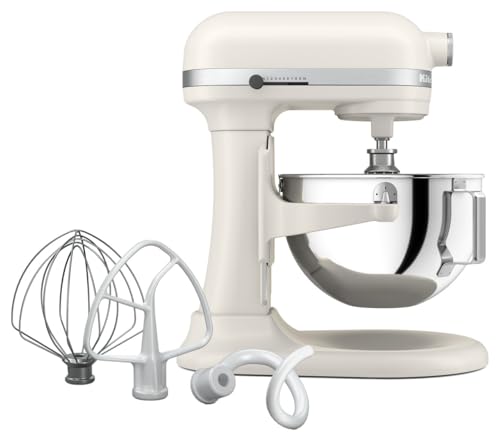
A tilt-head stand mixer is best for everyday baking, small kitchens and easy access, while a bowl-lift stand mixer is best for heavy bread dough, large batches and frequent baking. The tilt-head tilts back so you can add ingredients and remove the bowl easily; the bowl-lift raises a larger bowl on sturdy arms for more power and stability. Choose tilt-head for convenience, bowl-lift for heavy-duty baking.
Tilt-head mixers tilt back for easy access and suit everyday baking and small kitchens; bowl-lift mixers raise a bigger bowl on sturdy arms for heavy dough and big batches. Choose tilt-head for convenience, bowl-lift for power.
Short Answer
Tilt-head is easier and lighter for everyday baking and small kitchens; bowl-lift is sturdier and more powerful for heavy bread and large batches. Pick by whether you value convenience or heavy-duty capacity.
Tilt-Head vs Bowl-Lift: Comparison Matrix
| Feature | Tilt-head | Bowl-lift | Best for |
|---|---|---|---|
| Adding ingredients | Easy (tilts back) | Less easy | Tilt-head |
| Heavy dough | Limited | Excellent | Bowl-lift |
| Bowl size | Up to ~5 qt | 6 qt and up | Bowl-lift |
| Stability under load | Good | Very sturdy | Bowl-lift |
| Counter footprint | Smaller, needs top clearance | Larger, needs height when raised | Depends |
| Ease of cleaning | Easier | Good | Tilt-head |
Key Takeaway: Tilt-head is about convenience; bowl-lift is about capacity and power. If you bake bread often or in big batches, the bowl-lift’s sturdiness pays off; otherwise the tilt-head is easier to live with.
What a Tilt-Head Does Best
A tilt-head tilts back so you can add ingredients, scrape the bowl and lift it out easily. It is lighter, often cheaper, and suits everyday baking and small kitchens. It needs clearance above to tilt. See our best tilt-head stand mixers.
What a Bowl-Lift Does Best
A bowl-lift raises a larger, heavier bowl on sturdy arms, giving more stability and power for heavy bread dough and big batches. It needs cabinet height for the raised bowl. See our best stand mixers for bread dough.
Clearance and Counter Space
Tilt-head mixers need clearance above to tilt back; bowl-lift mixers need height for the bowl when raised. Measure your cabinet gap either way. Bowl-lift models are usually heavier and larger overall.
Which Should You Choose?
Choose a tilt-head if you bake everyday cakes, cookies and occasional bread and want easy access. Choose a bowl-lift if you bake bread often, make large batches or want maximum stability. Most home bakers are happy with a tilt-head.
What to Avoid
- A tilt-head for frequent heavy bread dough.
- A bowl-lift if your cabinets are low when the bowl is raised.
- Ignoring the clearance each design needs.
- Choosing on looks alone instead of your baking.
FAQ
Is a tilt-head or bowl-lift stand mixer better?
Neither is better overall; they suit different baking. Tilt-head is easier for everyday baking and small kitchens; bowl-lift is sturdier for heavy bread and big batches.
Is a bowl-lift mixer better for bread?
Yes, a bowl-lift is better for frequent heavy bread because it is sturdier and more powerful, with a larger bowl. A tilt-head handles occasional bread.
Do tilt-head and bowl-lift mixers need different clearance?
Yes. Tilt-head mixers need clearance above to tilt back; bowl-lift mixers need height for the raised bowl. Measure your cabinet gap for the design you choose.
Bottom Line
Tilt-head mixers win on convenience and everyday baking; bowl-lift mixers win on power and heavy dough. Choose by how much and what you bake. Compare picks in our best tilt-head stand mixers and best stand mixers guides.