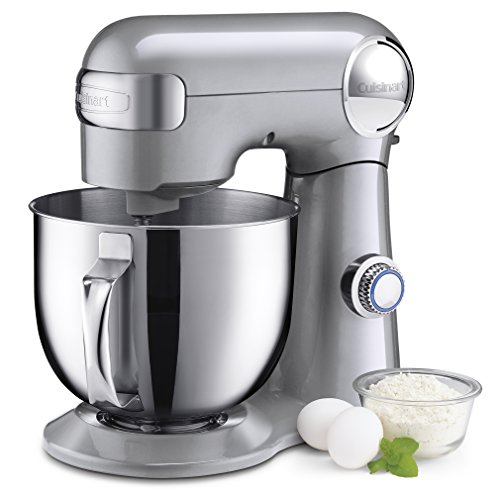
KitchenAid and Cuisinart make the two most popular stand mixers. KitchenAid is the better pick for its huge attachment ecosystem, iconic design and resale value, while Cuisinart often offers more power and a larger bowl for less money. Choose KitchenAid for attachments, style and long-term support, and Cuisinart for value and capacity. Both handle everyday baking, creaming and light dough well.
KitchenAid wins on attachments, design and resale value; Cuisinart wins on power and bowl size for the price. Both bake well. Choose KitchenAid for the ecosystem and style, Cuisinart for value and capacity.
Short Answer
KitchenAid offers the biggest attachment range, iconic looks and strong resale; Cuisinart gives more power and a bigger bowl for less. Both are capable everyday mixers. Pick by whether you want the ecosystem or the value.
KitchenAid vs Cuisinart: Comparison Matrix
| Feature | KitchenAid | Cuisinart | Best for |
|---|---|---|---|
| Attachments | Huge ecosystem | Fewer | KitchenAid |
| Power | Strong | Often higher watts | Cuisinart edge |
| Bowl size | 5 qt (Artisan) | 5.5 qt | Cuisinart |
| Design and colours | Iconic, many colours | Fewer options | KitchenAid |
| Resale value | High | Lower | KitchenAid |
| Price | Higher | Lower | Cuisinart |
Key Takeaway: The attachment ecosystem is KitchenAid’s real advantage. If you will use the pasta maker, grinder or other attachments, KitchenAid is worth the premium; if not, Cuisinart gives more mixer for the money.
What KitchenAid Does Best
KitchenAid offers the largest attachment range (pasta, grinding, spiralizing and more), an iconic design in many colours, and strong resale value. It is the choice for bakers who want the ecosystem and long-term support; see our best stand mixers.
What Cuisinart Does Best
Cuisinart stand mixers often have a higher wattage and a slightly larger bowl at a lower price, giving more capability for the money. They are the value choice for bakers who want power and capacity without the premium.
Performance and Durability
Both handle everyday baking, creaming and light dough well and last for years with care. KitchenAid has the edge on ecosystem and resale; Cuisinart on raw value. For heavy bread, a bowl-lift model from either or a dedicated bread mixer is better; see best stand mixers for bread dough.
Which Should You Buy?
Choose KitchenAid if you want the attachment ecosystem, iconic design and strong resale, and will keep it for years. Choose Cuisinart if you want more power and bowl size for less and do not need the attachments. Both are reliable everyday mixers.
What to Avoid
- Paying the KitchenAid premium if you will never use attachments.
- Assuming either tilt-head handles heavy bread without strain.
- Ignoring counter space and weight.
- Choosing on colour alone instead of capability.
FAQ
Is KitchenAid or Cuisinart a better stand mixer?
Both are good. KitchenAid wins on attachments, design and resale; Cuisinart wins on power and bowl size for the price. Choose by ecosystem versus value.
Does Cuisinart have more power than KitchenAid?
Cuisinart mixers often list a higher wattage and a slightly larger bowl, giving more capability for the money, though both handle everyday baking well.
Are KitchenAid attachments worth it?
If you will use them, yes. The pasta maker, grinder and other attachments add real versatility and are KitchenAid’s main advantage over Cuisinart.
Bottom Line
KitchenAid is the ecosystem-and-design choice with strong resale; Cuisinart is the value choice with more power and capacity. Both bake well. Pick by attachments and resale versus price and capacity. See specific picks in our best stand mixers guide.
