The Ninja Foodi Cold and Hot Blender is the best blender with a heating function, pairing a true heating element with a glass pitcher and preset programs that take a pile of raw vegetables to finished hot soup in one container. Heating blenders come in two flavors, machines with real heating elements that simmer and sauté, and high-speed blenders like Vitamix that heat soup through blade friction alone. This guide covers the best of both, because the right answer depends on whether soup is the main event or a side benefit.
The Ninja Foodi Cold and Hot Blender is the best heating blender, a real heating element, a glass pitcher, and soup and sauce programs that cook while they blend. The Instant Ace Nova is the budget route to the same trick, while a Vitamix heats soup through friction if you want a premium everyday blender first.
- Best overall: Ninja Foodi Cold and Hot Blender
- Best value: Cuisinart Blend and Cook Soup Maker
- Best budget: Instant Ace Nova Cooking Blender
- Avoid: Plastic-pitcher blenders used for hot liquids they are not rated for, heat warps jars and pops lids
Affiliate Disclosure: As an Amazon Associate, we earn from qualifying purchases. This does not affect our product rankings or recommendations.
Quick Picks
- Best overall: Ninja Foodi Cold and Hot Blender, A genuine heating element plus crushing power, it makes smoothies at breakfast and finished hot soup at dinner.. Check price on Amazon
- Best value: Cuisinart Blend and Cook Soup Maker, A purpose-built soup machine with a sauté-capable heated base and a sturdy glass jar..
- Best budget: Instant Ace Nova Cooking Blender, The affordable way into cooking blenders, presets for soup, sauce, and even rice milk..
Comparison Table
| Blender | Heat source | Best for | Pitcher | Buy |
|---|---|---|---|---|
| Ninja Foodi Cold and Hot Blender | Built-in heating element | Soups, sauces, and smoothies in one machine | Glass | Check Price |
| Cuisinart Blend and Cook Soup Maker | Heated blending base, can sauté | Homemade soup as a weekly habit | Glass | Check Price |
| Instant Ace Nova Cooking Blender | Built-in heating element | Budget soup, sauce, and plant milk making | Glass | Check Price |
| Vitamix E310 Explorian | Blade friction, no element | Premium everyday blending, soup as a bonus | BPA-free plastic | Check Price |
How We Chose These Blenders Picks
We compared heating method, pitcher material, program options, and cleaning design across the cooking-blender category, then checked aggregated owner feedback on scorching, lid leaks, and long-term reliability of the heating elements. Machines with recurring reports of burnt-on bases that will not clean were marked down.
Key Takeaway: Decide first whether you want a soup machine that blends or a blender that makes soup. Heating-element machines cook from raw and free you from the stove, friction-heating machines like Vitamix blend better every other day of the week.
Best Overall: Ninja Foodi Cold and Hot Blender
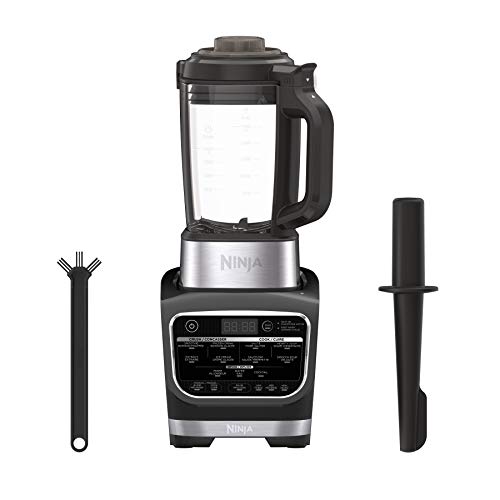
Best for: Home cooks who want one countertop machine for smoothies, frozen drinks, sauces, and genuinely cooked hot soups without a stove. Why it made the list: It combines a real heating element with strong blending performance and a glass pitcher, so it cooks raw ingredients into finished soup instead of just spinning them warm.
- Key specs: A countertop blender with a built-in heating element under a glass pitcher, multiple preset programs for smoothies, frozen drinks, soups, and sauces, plus manual control over both blending and heat.
- What we like: It genuinely cooks, onions, carrots, and stock go in raw and come out a hot, finished soup, and the presets manage the simmer so nothing needs watching. The glass pitcher shrugs off heat and does not absorb tomato stains or curry smells the way plastic jars do.
- What we do not like: The glass pitcher is heavy, and pouring a full batch of hot soup takes two careful hands. It is also not a Vitamix on the cold side, very fibrous greens and rock-hard frozen fruit blend acceptably rather than perfectly smooth, and thick purees can scorch lightly on the base if you skip stirring pauses.
- Who should buy it: Soup lovers, parents making purees, and anyone consolidating a blender and a soup pot into one appliance in a small kitchen.
- Who should avoid it: Smoothie-first users who make soup twice a winter, a conventional high-speed blender serves them better, and anyone who cannot lift a heavy glass pitcher comfortably when full and hot.
- Common complaints: Owners most often mention the pitcher weight, occasional browned spots on the base under very thick blends, and a lid that must be seated exactly right before the machine will run.
- Size note: It is a tall, heavy unit, check the clearance under your cabinets with the lid open, and plan to store it on the counter rather than lifting it in and out of cupboards.
- Cleaning note: Most residue rinses out with warm water and a drop of soap on a blend cycle, but cooked-on starch at the base needs a soak and a soft brush. Never plunge the hot glass pitcher into cold water.
- Alternative: The Cuisinart Blend and Cook Soup Maker is the pick if soup is the whole point, its base sautés aromatics properly before the simmer, the one step most cooking blenders fake.
Blender Buying Guide
Heating element versus friction heat
Element machines like the Ninja, Cuisinart, and Instant cook food, they simmer raw ingredients at a controlled temperature, which is real cooking with real flavor development. High-speed blenders like Vitamix heat by friction, several minutes at full speed takes a soup from fridge-cold to steaming, which is impressive but works best with already-cooked ingredients. If soup from raw is the goal, buy the element.
Pitcher material matters more with heat
Heating blenders almost all use glass, it handles temperature swings, does not stain, and does not hold odors. The trade-off is weight and shatter risk, a full glass pitcher of hot soup demands respect. Friction-heating machines use tough BPA-free plastic, lighter and nearly indestructible, but expect tomato tint and spice smells to move in over the years.
Programs, capacity, and the scorch question
Presets genuinely matter here because they pulse the blades during cooking to prevent scorching, manual-only machines rely on you to remember. On capacity, note that hot-liquid fill lines sit well below cold ones, a large pitcher may only make soup for three or four. Read owner feedback on any model for burnt-base complaints, it is the category’s chronic weak point.
Safety Notes
- Never fill past the hot-liquid line, steam expands and forces hot soup out of sealed lids.
- Vent or use the center cap opening when blending anything hot, pressure builds fast in a closed pitcher.
- The glass pitcher and base stay hot after cooking, use the handle only and keep the area clear of children.
- Unplug before reaching near the blades for any reason, even to dislodge stuck food with a spatula.
What to Avoid
- Pouring boiling liquid into a cold glass pitcher, or a hot pitcher into cold water, thermal shock cracks glass.
- Using a standard plastic-jar blender for hot soup unless the maker explicitly rates it for heat.
- Overfilled hot blends, the most common cause of burns in owner feedback.
- Walking away from thick purees on element machines that lack auto-stir cycles, they scorch.
FAQ
Do heating blenders actually cook the food?
Machines with heating elements, like the Ninja Foodi Cold and Hot and Instant Ace Nova, genuinely cook, they hold a controlled simmer that softens raw vegetables and develops flavor. Friction-heating blenders like Vitamix technically warm food through blade speed and are best used to finish soups from pre-cooked ingredients.
Can a Vitamix really make hot soup?
Yes, running a Vitamix at top speed for around five to six minutes heats the contents to steaming through friction alone. The soup is hot and silky, but nothing browns or simmers, so most owners sauté aromatics on the stove first and let the machine handle heating and pureeing.
Are blenders with heating functions worth it?
They are worth it if you make soups, sauces, or plant milk weekly, the from-raw convenience replaces a pot, a stove burner, and an immersion blender. If soup is occasional, put the money toward the best conventional blender you can afford instead.
Final Verdict
The Ninja Foodi Cold and Hot Blender is the best blender with a heating function, a true cooking element behind a glass pitcher with everyday blending muscle, while the Cuisinart Blend and Cook Soup Maker is the dedicated soup-lover’s machine, and the Instant Ace Nova Cooking Blender gets you cooking-blender convenience for the least money.