The Vitamix E310 is the best blender for pesto, because its tamper lets you work a thick, low-liquid basil paste into the blades without adding extra oil, and its variable speed dial keeps the texture rustic instead of baby-food smooth. Pesto is a stress test for blenders: it is dense, low in liquid, and made in small batches that wide jars handle badly. We compared paste handling, batch-size flexibility, and speed control across popular blenders to land on four picks.
The Vitamix E310 is the best blender for pesto because its tamper and variable speed dial handle thick, small-volume pastes without extra oil. The NutriBullet Pro 900 is the value pick for single-batch pesto in compact cups, and the Hamilton Beach Power Elite covers occasional pesto on a budget.
- Best overall: Vitamix E310
- Best value: NutriBullet Pro 900
- Best budget: Hamilton Beach Power Elite Blender
- Avoid: High-powered blenders run at full speed for pesto, they heat and bruise the basil into a dark, bitter paste in seconds
Affiliate Disclosure: As an Amazon Associate, we earn from qualifying purchases. This does not affect our product rankings or recommendations.
Quick Picks
- Best overall: Vitamix E310, The tamper pushes thick pesto into the blades and the speed dial keeps texture under your control. Check price on Amazon
- Best value: NutriBullet Pro 900, Small cups match small pesto batches, so the blades actually reach the ingredients.
- Best budget: Hamilton Beach Power Elite Blender, Pulse-friendly basic blender that makes respectable pesto with patient scraping.
Comparison Table
| Blender | Container | Best for | Control | Buy |
|---|---|---|---|---|
| Vitamix E310 | 48 ounce jar with tamper | Regular pesto makers, thick sauces | Variable speed dial plus pulse | Check Price |
| NutriBullet Pro 900 | Compact personal cups | Single batches, small kitchens | One speed, short pulses | Check Price |
| Hamilton Beach Power Elite | Standard glass jar | Occasional pesto on a budget | Multiple buttons with pulse | Check Price |
| Ninja Professional Plus | Large 72 ounce pitcher | Big-batch pesto for freezing | Preset programs plus manual | Check Price |
How We Chose These Blenders Picks
We compared how each blender handles dense, low-liquid loads, whether small batches reach the blades, and how much speed control the cook keeps, then reviewed owner feedback specifically about thick sauces, hummus, and pesto. Blenders that demand extra oil just to form a vortex were marked down.
Key Takeaway: Great pesto needs restraint from your blender: short pulses, low speeds, and a way to press the paste into the blades. Heat and over-blending, not the recipe, are what turn basil dark and bitter.
Best Overall: Vitamix E310
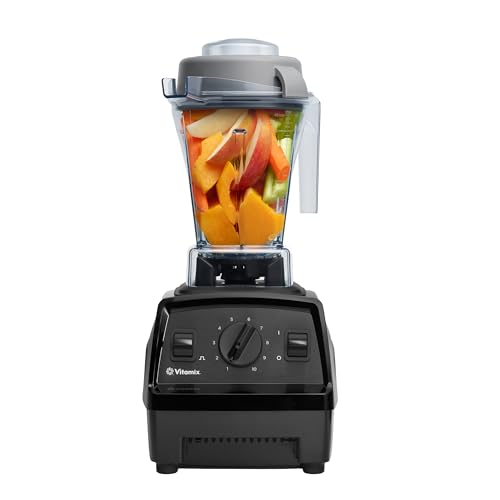
Best for: Cooks who make pesto, thick sauces, hummus, and nut butters often enough to justify a serious machine. Why it made the list: The tamper solves pesto’s core problem, a thick paste that will not fall into the blades on its own, and the analog speed dial lets you blend at a crawl so the basil stays green and the texture stays yours.
- Key specs: 2 horsepower class motor, 48 ounce container sized for home batches, tamper for thick mixtures, ten-speed analog dial plus pulse, aircraft-grade stainless blades.
- What we like: Pesto comes together without extra oil because the tamper feeds the blades, low speeds preserve the herb’s color and bite, and the same abilities carry over to hummus, nut butter, and thick soups.
- What we do not like: It is a big investment for a sauce you can technically make with a knife, the 48 ounce jar is still wide for a single small batch, and it is loud at higher speeds.
- Who should buy it: Cooks who regularly make thick blended foods and want one machine that does all of them properly for a decade or more.
- Who should avoid it: Anyone who makes pesto twice a summer, a personal blender or food processor covers that for far less, and small households short on counter space.
- Common complaints: Owners mention the noise, the learning curve of tamper technique, and that very small quantities still need scraping even with the narrower jar.
- Size note: The E310’s 48 ounce container is the narrower option in the lineup, which is exactly why it suits pesto better than wide 64 ounce jars. Plan for its tall footprint under cabinets.
- Cleaning note: Self-cleans with warm water and a drop of dish soap run on high for thirty seconds. Rinse immediately after pesto, dried basil and oil film cling to the blade hub.
- Alternative: If pesto volume is always one jar for one dinner, the NutriBullet Pro 900’s small cups fit the job with far less machine.
Pesto Blender Buying Guide
Batch size and container shape
A classic pesto batch is barely two cups, and in a wide 64 or 72 ounce pitcher that much food sits below or beside the blades. Narrow jars, personal cups, or a tamper solve it. Match the container to your real batch size, and if you freeze pesto in bulk each summer, a big pitcher like the Ninja finally earns its size.
Speed control keeps basil green
Basil bruises and oxidizes with heat and violence, which is why pesto from a screaming blender turns dark and tastes bitter. Look for a true low speed or responsive pulse, and blend in short bursts, scraping between them. Machines that only run flat-out are fighting the recipe.
Blender versus food processor for pesto
A food processor is honestly the more forgiving pesto tool, its wide bowl and blade need no added liquid and pulse control is natural. A blender wins when you want a smoother, more emulsified sauce or already own a machine with a tamper. If you are buying something new only for pesto, weigh both categories before deciding.
Safety Notes
- Never push ingredients down with a spoon while the motor runs, use the tamper through the lid or stop the machine.
- Add oil in a stream through the lid cap rather than removing the whole lid mid-blend.
- Blend in short pulses to keep the mixture cool, friction heat builds faster than most people expect in thick pastes.
- Unplug before scraping around the blades, pesto residue makes fingers slide.
What to Avoid
- Wide-jar blenders for single small batches, the blades never reach the food.
- Running any blender at high speed for pesto, heat turns basil dark and bitter.
- Single-serve cups filled past the max line with oily mixtures, they leak at the blade seal.
- Blenders with no pulse function at all, continuous blending overworks the herbs.
FAQ
Why does my pesto turn dark and bitter in the blender?
Heat and over-processing. High blade speeds bruise basil and warm the oil, which oxidizes the leaves and turns some olive oils bitter through emulsification. Use short pulses at low speed, keep ingredients cold, and stop while the texture is still slightly coarse.
Is a blender or food processor better for pesto?
A food processor is more forgiving because its wide bowl needs no added liquid and pulsing is natural. A blender with a tamper, like the Vitamix, matches it and produces a smoother, creamier emulsion when you want one. A wide-jar blender without a tamper is the weakest option of the three.
Can I make pesto in a NutriBullet?
Yes, and the small cup is actually an advantage for a single batch. Load the cup loosely, pulse in very short bursts by twisting the cup, and shake between pulses to redistribute. Do not run it continuously, the sealed cup builds heat quickly and the basil suffers.
Final Verdict
The Vitamix E310 is the best blender for pesto thanks to its tamper and true low-speed control, with the NutriBullet Pro 900 matching small batches for the value slot and the Hamilton Beach Power Elite handling occasional pesto on a budget.