Howard Feed-N-Wax Wood Polish and Conditioner is the best wood cabinet cleaner and polish for most kitchens because its blend of beeswax, carnauba wax, and orange oil lifts light grime while feeding the finish, leaving cabinets nourished instead of coated in silicone. Kitchen cabinets take daily abuse from grease, steam, and fingerprints, and the wrong product leaves a sticky film or dulls the finish. We compared four proven products on cleaning power, finish safety, and the look they leave behind.
Howard Feed-N-Wax is the best overall choice because it cleans light soil and conditions wood finishes in one step. For heavy grease, clean first with diluted Murphy Oil Soap, then follow with a conditioner like Feed-N-Wax.
- Best overall: Howard Feed-N-Wax Wood Polish and Conditioner
- Best value: Murphy Oil Soap Original Formula
- Best budget: Old English Lemon Oil
- Avoid: Silicone-heavy spray polishes, they build a hazy film that complicates any future refinishing
Affiliate Disclosure: As an Amazon Associate, we earn from qualifying purchases. This does not affect our product rankings or recommendations.
Quick Picks
- Best overall: Howard Feed-N-Wax Wood Polish and Conditioner, Beeswax and orange oil clean lightly while conditioning the finish.. Check price on Amazon
- Best value: Murphy Oil Soap Original Formula, The classic dilutable cleaner that cuts kitchen grease safely..
- Best budget: Old English Lemon Oil, Inexpensive wipe-on oil that revives dry, dull cabinet doors..
Comparison Table
| Product | Type | Best for | Finish left | Buy |
|---|---|---|---|---|
| Howard Feed-N-Wax | Wax and oil conditioner | Conditioning and low luster shine | Soft satin, no film | Check Price |
| Murphy Oil Soap | Dilutable soap cleaner | Degreasing before polishing | Clean, no shine | Check Price |
| Old English Lemon Oil | Wipe-on oil polish | Quick revival of dry wood | Light oiled sheen | Check Price |
| Weiman Wood Cleaner and Polish | Spray clean-and-shine | Fast weekly touch-ups | Light polished shine | Check Price |
How We Chose These Wood Cabinet Cleaner Picks
We compared ingredient lists, manufacturer guidance for finished wood, and aggregated owner feedback from people using each product specifically on kitchen cabinets. Products known for silicone buildup or finish damage were excluded.
Key Takeaway: Cleaning and polishing are two different jobs. Degrease first with a soap-based cleaner, then condition with a wax or oil product, and your cabinets will look better than any one-step miracle spray can manage.
Best Overall: Howard Feed-N-Wax Wood Polish and Conditioner
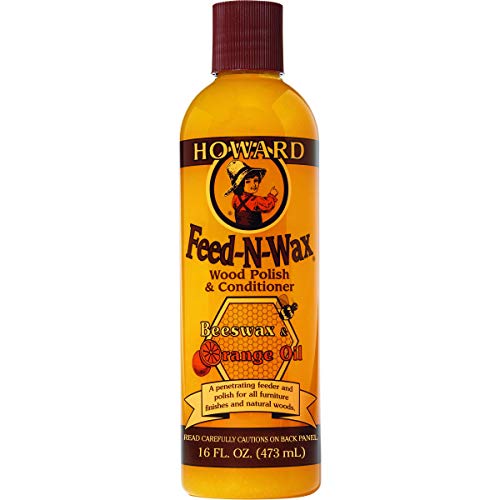
Best for: Anyone with finished wood cabinets that look dry, dull, or lightly soiled and wants a warm satin glow without a slick silicone film. Why it made the list: Feed-N-Wax earns its reputation by actually improving the wood finish rather than just coating it. The beeswax and carnauba blend fills in micro-scratches and restores depth to the grain, while the orange oil lifts light grime as you wipe. It contains no silicone, so it will not build up a hazy layer or interfere with future touch-up work, and a little goes a long way across a full kitchen of doors.
- Key specs: Beeswax, carnauba wax, and orange oil formula; no silicone; suitable for finished and unfinished wood; applied with a cloth and buffed after a short soak-in period.
- What we like: Restores color depth to tired cabinets, hides fine scratches, smells pleasant, and leaves a natural satin look instead of plastic gloss.
- What we do not like: It is not a degreaser, heavy kitchen grease will just smear. It also needs buffing, and over-application leaves a tacky feel that takes effort to remove.
- Who should buy it: Owners of stained and sealed wood cabinets, especially older kitchens where the finish looks thirsty. It is also excellent on wood furniture and butcher block exteriors.
- Who should avoid it: People with painted, laminate, or thermofoil cabinets. Wax conditioners are formulated for wood finishes and add nothing to painted surfaces.
- Common complaints: The most frequent owner complaints are tackiness from applying too much, a workout from buffing a whole kitchen, and the wax smell lingering for a day.
- Size note: One standard bottle typically handles a full kitchen of cabinet faces several times over. Buy the small size first, over-buying wax products wastes money since a thin coat is correct.
- Cleaning note: Degrease cabinets first with diluted dish soap or Murphy Oil Soap and let them dry fully. Applying wax over grease seals the grime in and leaves streaks.
- Alternative: For a quick weekly spray-and-wipe routine rather than a conditioning treatment, Weiman Wood Cleaner and Polish is faster, at the cost of less lasting benefit to the finish.
Wood Cabinet Cleaner Buying Guide
Know your cabinet surface first
Solid wood and wood veneer with a stained finish benefit from oil and wax conditioners. Painted, laminate, and thermofoil doors just need gentle soap and water, and wax products can actually make them smeary. When in doubt, test any product on an inside door edge first.
Degrease before you polish
Kitchen grease bonds with dust into a sticky film, especially above the stove. A dilutable soap cleaner cuts it without stripping the finish. Polish applied over grime just moves it around, so the two-step order, clean then condition, is what produces that even, warm result.
Watch out for silicone
Many bargain spray polishes rely on silicone for instant shine. It looks good for a week, then builds a hazy layer that attracts dust and is genuinely difficult to remove if you ever refinish. Wax and oil based products cost slightly more attention but age far better.
Safety Notes
- Ventilate while cleaning, oil soaps and solvent-based polishes give off fumes in enclosed kitchens.
- Keep oily rags spread flat to dry before disposal, wadded oil-soaked rags can self-heat.
- Store wood oils and polishes away from the stove and out of reach of children.
- Wear gloves if you have sensitive skin, citrus oils and degreasers can irritate.
What to Avoid
- Silicone spray polishes for weekly use, buildup is cumulative and hard to reverse.
- Ammonia or all-purpose degreasers on finished wood, they dull and can lift the finish.
- Soaking-wet cleaning, standing water swells wood at seams and raises grain.
- Abrasive pads or magic erasers on cabinet faces, they burnish and scratch the finish.
FAQ
How do I get sticky grease off kitchen cabinets before polishing?
Mix a soap-based wood cleaner like Murphy Oil Soap with warm water per the label, wipe with a wrung-out cloth in the direction of the grain, then dry immediately. For thick buildup near the stove, repeat with slightly stronger dilution rather than scrubbing harder.
How often should I polish wood kitchen cabinets?
Degrease monthly in cooking zones and polish or condition two to four times a year. Over-polishing causes buildup, which is why cabinets that get sprayed weekly often look hazier than ones treated twice a year.
Can I use furniture polish on painted cabinets?
Skip it. Painted and laminate cabinets only need mild dish soap, water, and a dry cloth. Wax and oil polishes are designed to feed wood finishes, and on paint they just leave smears and a surface that resists future touch-up paint.
Final Verdict
The Howard Feed-N-Wax Wood Polish and Conditioner is the best wood cabinet cleaner and polish overall, with Murphy Oil Soap as the essential value degreaser to use first and Old English Lemon Oil covering quick budget touch-ups.
Related Guides
- Best Stainless Steel Cleaner and Polish in 2026
- Best Burnt Pan Cleaner Paste in 2026: What Actually Removes Scorch Marks
- Best Dishwasher Cleaner Tablets in 2026
- Best Glass Stovetop Cleaner Kit in 2026
- Best Oven Cleaner for Baked on Grease in 2026: Heavy Duty Foam That Cuts Through Carbonized Grime
- All Kitchen Cleaning Tools guides
