The Original Baking Steel is the best pizza steel for home ovens because its quarter-inch thickness stores enough heat to bake back-to-back pizzas with crisp, leopard-spotted bottoms that a ceramic stone cannot match at 500 degrees. Steel conducts heat far faster than stone, which is exactly what a home oven needs to imitate a pizza oven floor. If you want nearly identical performance with more size options, the NerdChef Steel Stone is the value alternative.
The Original Baking Steel is the best pizza steel thanks to proven quarter-inch carbon steel, excellent heat retention, and a track record that defined the category. The NerdChef Steel Stone matches its performance closely while offering more thickness and size choices.
- Best overall: The Original Baking Steel
- Best value: NerdChef Steel Stone
- Best budget: Hans Grill Pizza Steel
- Avoid: Thin 3/16-inch steels for back-to-back baking, they lose too much heat between pies
Affiliate Disclosure: As an Amazon Associate, we earn from qualifying purchases. This does not affect our product rankings or recommendations.
Quick Picks
- Best overall: The Original Baking Steel, The category-defining quarter-inch steel with unmatched consistency. Check price on Amazon
- Best value: NerdChef Steel Stone, Comparable performance with more sizes and thicknesses to choose from.
- Best budget: Hans Grill Pizza Steel, A capable quarter-inch steel that gets you most of the way for less.
Comparison Table
| Pizza steel | Thickness | Best for | Weight | Buy |
|---|---|---|---|---|
| The Original Baking Steel | 1/4 inch | Consistent back-to-back home baking | About 16 pounds | Check Price |
| NerdChef Steel Stone | 1/4 or 3/8 inch | Enthusiasts choosing their thickness | 16 to 23 pounds | Check Price |
| Hans Grill Pizza Steel | About 1/4 inch | Budget-minded first steel | About 15 pounds | Check Price |
| Conductive Cooking Pizza Steel | 3/16 to 1/2 inch | Custom sizes for specific ovens | Varies by size | Check Price |
How We Chose These Pizza Steel Picks
We compared thickness, surface finish, seasoning out of the box, and size fit for standard home ovens, then weighed owner feedback on warping, rust, and how each steel handles consecutive bakes. Thickness earned the most weight because it determines heat storage and recovery between pizzas.
Key Takeaway: Steel beats stone in a home oven because it transfers heat several times faster at the same temperature. A quarter-inch steel is the sweet spot for most people, heavy enough to bake consecutive pies but still liftable for cleaning and storage.
Best Overall: The Original Baking Steel
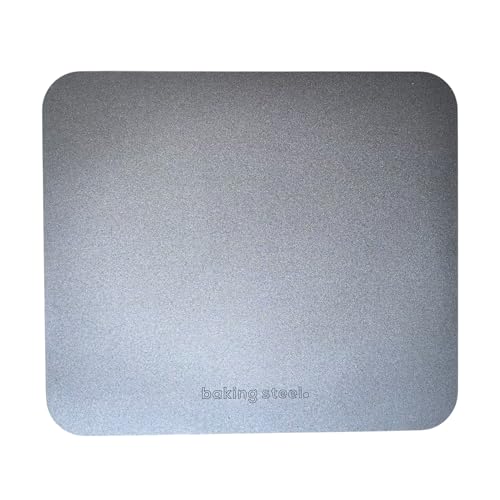
Best for: Home pizza makers who want pizzeria-quality crust from a standard oven, and bread bakers who want a serious hearth surface. Why it made the list: This is the product that proved steel outperforms stone in home ovens, and it remains the benchmark. The quarter-inch carbon steel plate stores a deep reserve of heat, so your second and third pizzas bake as well as the first. It arrives pre-seasoned, shrugs off thermal shock that cracks ceramic stones, and doubles as a griddle surface on a stovetop or grill.
- Key specs: Quarter-inch solid carbon steel, roughly 16 by 14 inches, about 16 pounds, pre-seasoned surface, made in the USA, usable in ovens, on grills, and under a broiler.
- What we like: Crisp undercarriage at 500 degrees in four to six minutes, fast heat recovery between pies, and effectively indestructible construction that will outlast the oven.
- What we do not like: Sixteen pounds is genuinely heavy to move, and the steel needs light oiling after washing or it will show surface rust in humid kitchens.
- Who should buy it: Anyone who makes pizza at least monthly and is tired of pale, floppy centers from a stone or a pan.
- Who should avoid it: Occasional pizza makers who bake one pie a quarter, where a budget steel or even a good pan delivers acceptable results with less investment and weight.
- Common complaints: Owner reviews mention surface rust when stored damp and the sheer effort of moving it. Both are managed with a thin wipe of oil and simply leaving it in the oven.
- Size note: At about 16 by 14 inches it fits standard 30-inch ovens with room for air circulation. Measure your rack before ordering, and remember most ovens lose accuracy near the walls.
- Cleaning note: Scrape residue with a bench scraper, wipe with a barely damp cloth, dry thoroughly, and apply a whisper of oil. Never run it through a self-clean cycle or soak it.
- Alternative: The NerdChef Steel Stone in 3/8-inch thickness is the pick for obsessives who want maximum heat storage and do not mind 23 pounds.
Pizza Steel Buying Guide
Why steel outperforms stone at home
Home ovens top out around 500 to 550 degrees, far below a real pizza oven floor. Steel compensates by conducting heat into dough several times faster than ceramic at the same temperature, producing a browned, blistered bottom in the time the toppings need. Stones only close that gap in ovens that run much hotter.
Thickness is the main decision
Three-sixteenths heats fastest and is easiest to handle but fades on consecutive bakes. A quarter inch is the best all-around choice, balancing recovery and weight. Three-eighths and half-inch plates store the most heat for pizza parties, but they take an hour-plus to preheat and are seriously heavy.
Preheat and placement
Give any steel 45 to 60 minutes at your oven’s maximum temperature, positioned six to eight inches under the broiler. Launching onto an underheated steel is the number one cause of disappointing first pizzas, so use an infrared thermometer or simply wait longer than feels necessary.
Safety Notes
- A steel at 500 degrees looks identical to a cold one, so treat it as hot for hours after baking.
- Use thick dry oven mitts when moving it, since a quarter-inch plate holds enormous heat energy.
- Do not slide a heavy steel onto an extended oven rack edge, which can tip the rack and the steel.
- Never quench a hot steel in water, as violent steam and warping can result.
What to Avoid
- Very thin plates sold as steels, which lose too much heat for back-to-back pies.
- Steels too large for your rack, which block airflow and bake toppings unevenly.
- Untreated raw steel with no seasoning, which rusts before your first bake unless you season it yourself.
- Stainless steel plates, which conduct heat worse than carbon steel for this job.
FAQ
Is a pizza steel really better than a pizza stone?
In a standard home oven, yes. Steel transfers heat into dough much faster than ceramic at the same temperature, so you get a crisp, spotted crust before the toppings overcook. Stones still make sense in very hot outdoor ovens, where steel can actually burn the bottom too fast.
How do I keep a pizza steel from rusting?
Dry it completely after any contact with moisture and wipe on a very thin coat of neutral oil, exactly like caring for cast iron. Many owners simply store the steel in the oven, where residual heat keeps it dry. Light surface rust scrubs off and does not ruin the plate.
What else can I cook on a pizza steel?
It is excellent for bread, bagels, naan, and roasted vegetables in the oven, and the flat surface works as a griddle for smash burgers or pancakes over a grill. It also makes a great cold plate for keeping dishes chilled if stored in a freezer.
Final Verdict
The Original Baking Steel is the best pizza steel for home ovens, with the NerdChef Steel Stone as the flexible value pick and the Hans Grill Pizza Steel delivering most of the performance for a budget-friendly outlay.
