YETI Ice is the best ice pack alternative for coolers because the near-indestructible molded block freezes solid, holds its temperature through rough multi-day trips, and never leaves your food swimming in meltwater the way bagged ice does. Loose ice is cheap up front but soaks packaging, needs constant replacement, and wastes cooler space. We compared reusable packs, phase-change designs, and free do-it-yourself options based on specs and aggregated owner feedback to find what actually keeps a cooler cold.
YETI Ice is the best all-around ice pack alternative thanks to its rugged shell, multiple sizes, and strong hold times. For wall-to-wall coverage in a big cooler, Cooler Shock phase-change packs absorb more heat per pack than standard gel bricks.
- Best overall: YETI Ice, a rugged block that survives rough handling and refreezes quickly
- Best value: Cooler Shock, large fill-once packs that blanket a whole cooler
- Best budget: Rubbermaid Blue Ice, slim bricks for lunch bags and small coolers
- Avoid: Thin novelty gel packs that thaw by lunchtime and split at the seams
Affiliate Disclosure: As an Amazon Associate, we earn from qualifying purchases. This does not affect our product rankings or recommendations.
Quick Picks
- Best overall: YETI Ice, Nearly indestructible block with excellent hold time in any cooler.. Check price on Amazon
- Best value: Cooler Shock, Big flat phase-change packs you fill once and reuse for years..
- Best budget: Rubbermaid Blue Ice, Slim, stackable bricks that handle lunch boxes and day trips..
Comparison Table
| Ice pack | Format | Best for | Durability | Buy |
|---|---|---|---|---|
| YETI Ice | Hard molded block | Rough handling and repeated trips | Extreme | Check Price |
| Cooler Shock | Flat fill-once pack | Multi-day coverage in large coolers | High | Check Price |
| Igloo MaxCold | Hard plastic block | Everyday family coolers | High | Check Price |
| Rubbermaid Blue Ice | Slim gel brick | Lunch bags and small coolers | Moderate | Check Price |
How We Chose These Ice Pack Alternatives Picks
We researched the major reusable cooling options, compared freeze points, formats, and claimed hold times, and weighed aggregated owner feedback from campers, anglers, and tailgaters on how each pack performs after a season of real trips. Durability and refreeze speed counted as much as raw cold.
Key Takeaway: Reusable packs beat bagged ice for anything under three days because they keep contents cold and dry, and the best strategy is a large pack on the bottom plus a smaller one on top of the food.
Best Overall: YETI Ice
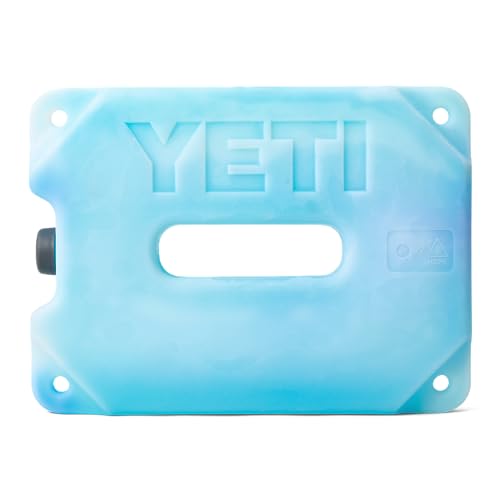
Best for: Campers, anglers, and tailgaters who want a cooling block that survives being dropped, stacked, and frozen hundreds of times. Why it made the list: The rotationally tough molded shell will not split or leak like soft gel packs, the shape is designed to refreeze faster than a solid brick of the same weight, and it comes in one, two, and four pound sizes so you can match the block to the cooler.
- Key specs: Hard molded shell, offset break-resistant design, available in one, two, and four pound sizes, freezer safe and reusable indefinitely.
- What we like: It stays cold well into a second day in a decent cooler, stacks flat under food, and shrugs off abuse that would split an ordinary gel pack at the seam.
- What we do not like: It is heavy for the cooling it provides compared to phase-change packs, takes up real cooler volume, and costs more than basic bricks that do a similar job on short trips.
- Who should buy it: Anyone with a quality hard cooler who takes overnight or weekend trips and is tired of buying bagged ice every time.
- Who should avoid it: Day-trippers with soft lunch coolers, since a slim brick like Rubbermaid Blue Ice cools a small space just as well with less weight.
- Common complaints: Owners note the price relative to generic packs and say the four pound size can crowd a small cooler, so match the size to your box.
- Size note: Use the four pound block for full-size coolers, the two pound for standard family coolers, and the one pound for lunch bags and six-can soft coolers.
- Cleaning note: Wipe down with warm soapy water after trips and dry before freezing, and check the shell for hairline cracks once a season.
- Alternative: If you want to line an entire large cooler wall to wall, Cooler Shock flat packs cover far more surface area per pack.
Cooler Ice Pack Buying Guide
Phase-change packs run colder than standard gel
Standard gel packs freeze at roughly the same temperature as water. Phase-change designs like Cooler Shock freeze well below that, so they absorb more heat before thawing and keep contents colder longer. The tradeoff is that they need a colder freezer and more time to fully solidify before a trip.
Match the pack to the cooler, not the other way around
A single small brick in a big cooler is fighting a losing battle. Aim to cover the bottom of the cooler with your largest pack, pre-chill the cooler and the food, and add a smaller pack on top since cold air falls. Dead air space is the enemy, so fill gaps with towels or extra frozen bottles.
Free alternatives work better than you think
Frozen water bottles are the classic no-cost option, and they double as drinking water as they thaw. A milk jug of frozen salt water thaws slower than plain ice. Dry ice holds the deepest cold for long hauls, but it requires gloves, ventilation, and a cooler rated to handle it.
Safety Notes
- Handle dry ice only with gloves and keep the cooler ventilated, since sublimating carbon dioxide can displace air in a closed vehicle.
- Keep perishables below 40 degrees Fahrenheit and use a fridge thermometer in the cooler on long trips rather than guessing.
- Discard any gel pack that leaks, and never let the gel contact food even though most modern fills are nontoxic.
- Wash pack surfaces after contact with raw meat drippings before returning them to the freezer.
What to Avoid
- Thin promotional gel packs that thaw within hours and split at the seams.
- Buying one small brick for a large cooler and expecting multi-day performance.
- Packs with sharp molded corners that can puncture soft-sided cooler liners.
- Refreezing a pack that has visible cracks or is bulging, since it will leak into the cooler.
FAQ
Do reusable ice packs last longer than regular ice?
Per pound, a good phase-change pack absorbs more heat than plain ice and keeps things colder because it freezes at a lower temperature. Just as important, packs keep food dry, while melting ice soaks labels and packaging and drains cold every time you tip out water.
How long do these packs take to freeze?
Plan on a full overnight freeze for slim bricks and 24 to 48 hours for large phase-change packs, especially in a packed freezer. Freezing them flat on a shelf speeds things up and keeps them stackable in the cooler.
Can I combine ice packs with regular ice?
Yes, and it is the best setup for trips past two days. Put the big packs on the bottom, add a layer of block or bagged ice for thermal mass, and keep a slim pack on top of the food so the surface layer stays cold too.
Final Verdict
The YETI Ice block is the best ice pack alternative for coolers thanks to its durability and hold time, with Cooler Shock as the smarter buy for blanketing big multi-day coolers and Rubbermaid Blue Ice covering lunch bags and short day trips for the least money.
