The Weston Fruit and Wine Press is the best manual fruit press for home cider and juice making, combining a sturdy frame, a slatted hardwood basket, and a screw mechanism that extracts juice from crushed apples and grapes without electricity. Manual presses range from big basket presses for bushel-scale batches down to handheld citrus squeezers, and the right one depends entirely on your batch size. We compared four widely available options on capacity, frame strength, pressing mechanics, and cleanup.
The Weston Fruit and Wine Press is the best manual press for anyone making cider, wine, or juice in real batches, while the EJWOX Fruit Wine Press covers the same job at a friendlier price. For occasional citrus only, a Zulay Kitchen squeezer is all you need.
- Best overall: Weston Fruit and Wine Press
- Best value: EJWOX Fruit Wine Press
- Best budget: Zulay Kitchen Metal Lemon Squeezer
- Avoid: Flimsy presses with thin stamped frames or unfinished baskets; frames that flex under pressure waste juice and can fail mid-press
Affiliate Disclosure: As an Amazon Associate, we earn from qualifying purchases. This does not affect our product rankings or recommendations.
Quick Picks
- Best overall: Weston Fruit and Wine Press, Solid frame and hardwood basket built for real cider and wine batches.. Check price on Amazon
- Best value: EJWOX Fruit Wine Press, Classic screw-press design at a price that suits first-time cider makers..
- Best budget: Zulay Kitchen Metal Lemon Squeezer, Die-cast hand press that covers citrus juicing for pennies on the dollar..
Comparison Table
| Press | Capacity | Best for | Construction | Buy |
|---|---|---|---|---|
| Weston Fruit and Wine Press | Multi-gallon basket | Cider, wine, and big juice batches | Steel frame, hardwood slat basket | Check Price |
| EJWOX Fruit Wine Press | Mid-size basket | First-time home pressing | Cast frame, wooden slat basket | Check Price |
| Zulay Kitchen Lemon Squeezer | One citrus half at a time | Lemons, limes, small oranges | Die-cast metal hand press | Check Price |
| VEVOR Fruit Press | Small to mid-size basket | Easy-clean pressing | Stainless steel basket options | Check Price |
How We Chose These Manual Fruit Press Picks
We researched the manual press market from basket presses to hand squeezers and compared frame materials, basket construction, screw mechanics, and yield against aggregated owner feedback. We prioritized presses that hold up under full pressure and clean up without hassle.
Key Takeaway: Match the press to the batch. A basket press only earns its space if you press gallons at a time, and no press extracts well unless the fruit is crushed or ground first.
Best Overall: Weston Fruit and Wine Press
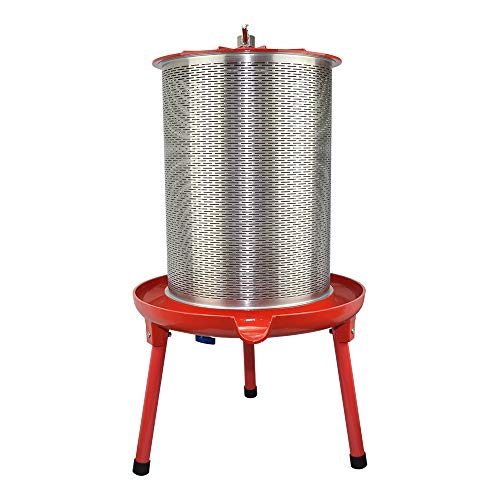
Best for: Home cider makers, small-batch winemakers, and gardeners with fruit trees who press multiple gallons per session. Why it made the list: The Weston earns the top spot on structure. The frame stays rigid as you crank the acme-threaded screw down, the slatted hardwood basket lets juice run freely into the tray, and pressing blocks distribute force evenly across the pomace. Owners consistently report strong yields from apples, grapes, and berries when the fruit is properly crushed first, and the press disassembles for scrubbing and dry storage.
- Key specs: Slatted hardwood basket, steel frame, acme-threaded pressing screw, pressing plate with blocks, juice tray with pour spout.
- What we like: Rigid construction that takes full cranking force, good juice yield from crushed fruit, and simple disassembly for cleaning at the end of a pressing day.
- What we do not like: It needs a separate crusher or grinder for apples, and the wooden basket requires careful drying and occasional re-tightening to stay sound.
- Who should buy it: Anyone pressing tree fruit, grapes, or berries by the bushel or making cider and wine as a seasonal hobby.
- Who should avoid it: Casual juicers who want a glass of juice on demand; an electric juicer or blender is far more practical for single servings.
- Common complaints: Owners note that wood slats can stain and absorb odors over seasons, and that pressing whole uncrushed apples yields disappointingly little juice.
- Size note: This is garage or patio equipment, not a countertop tool; plan storage space and a sturdy surface or mounting spot at pressing height.
- Cleaning note: Rinse immediately after pressing, scrub the basket slats with hot water and a brush, avoid soap soaking on wood, and dry fully before storage to prevent mold.
- Alternative: The VEVOR Fruit Press with a stainless basket trades some old-world charm for easier sanitizing, a fair swap if cleanup is your priority.
Manual Fruit Press Buying Guide
Size the press to your batches
Basket presses are rated in liters or gallons of pomace capacity. A mid-size basket suits a few grocery bags of apples, while orchard owners want the biggest frame they can store. If your pressing is mostly lemons and limes, skip the basket press entirely and buy a good die-cast citrus squeezer.
Basket and frame materials
Hardwood baskets are traditional and gentle on fruit but need careful drying and can stain. Stainless baskets sanitize easily and last indefinitely. Whatever the basket, the frame is the real stress point, so look for welded or cast construction and read owner feedback for any mention of flexing or cracked castings.
Crush first, then press
A press extracts juice, it does not break down fruit. Apples must be ground into pomace and grapes crushed before pressing, or the screw will just compact whole fruit with little yield. Budget for a fruit crusher, or plan to chop and pulse fruit in batches before it goes in the basket.
Safety Notes
- Keep fingers clear of the screw, pressing plate, and ratchet parts; pressing force is enormous.
- Set the press on a stable, level surface so it cannot tip under cranking load.
- Use only food-safe finishes and food-grade baskets; paint or untreated hardware store wood can leach into juice.
- Sanitize baskets, plates, and trays before and after pressing, since raw juice spoils and ferments quickly.
What to Avoid
- Do not press whole uncrushed fruit; grind or crush first for real yield.
- Do not keep cranking past firm resistance, since over-pressing forces bitter solids into the juice and strains the frame.
- Do not leave wood baskets soaking in water or juice overnight.
- Do not store the press wet; mold and rust ruin more presses than use does.
FAQ
Do I need to crush apples before pressing?
Yes. Apples must be ground into a coarse pomace before they go in the basket, or the press will extract only a fraction of the juice. A fruit crusher, a strong food processor in batches, or even a clean garbage-disposal-style grinder setup does this job.
How much juice does a manual press produce?
Properly crushed apples typically yield roughly half to two thirds of their weight as juice, so a full grocery bag of apples gives about a gallon. Yield falls fast if fruit is under-crushed or the press basket is overloaded.
Is a wooden or stainless basket better?
Stainless is easier to sanitize and never absorbs stains or odors, making it the practical pick. Wood is traditional, looks great, and works fine if you rinse promptly, dry thoroughly, and store it in a dry spot between seasons.
Final Verdict
The Weston Fruit and Wine Press is the best manual fruit press thanks to its rigid frame and strong yields on crushed fruit, with the EJWOX Fruit Wine Press as the value route into home cider making and the Zulay Kitchen Metal Lemon Squeezer covering everyday citrus for a fraction of the cost.
