The Doulton W9331274 Ultra Carb is the best ceramic water filter for most households, combining advanced silver-impregnated ceramic technology with a high flow rate and easy maintenance. After evaluating dozens of models based on filtration performance, durability, and real owner reviews, we chose four top contenders that actually deliver on their claims.
The Doulton Ultra Carb stands out for its reliable bacteria removal and long filter life. The Epic Nano is best for value with its simple countertop design. The AquaCera Home is the budget pick. Avoid the generic ceramic filters with no NSF certification.
- Best overall: Doulton W9331274 Ultra Carb
- Best value: Epic Nano Water Filter
- Best budget: AquaCera Home
- Avoid: Generic unbranded ceramic filters
Affiliate Disclosure: As an Amazon Associate, we earn from qualifying purchases. This does not affect our product rankings or recommendations.
Quick Picks
- Best overall: Doulton W9331274 Ultra Carb, Silver-impregnated ceramic removes 99.99% of bacteria, lasts 12 months.. Check price on Amazon
- Best value: Epic Nano Water Filter, Countertop design, no installation, removes 99.99% of contaminants..
- Best budget: AquaCera Home, Affordable under-sink kit with solid ceramic filtration..
Comparison Table
| Product Type | Filter Media | Best for | Flow Rate | Buy |
|---|---|---|---|---|
| Doulton W9331274 Ultra Carb | Silver-impregnated ceramic + activated carbon + KDF | Best overall | 1.5 GPM | Check Price |
| Epic Nano Water Filter | Ceramic + carbon block + ion exchange | Best value | 0.5 GPM | Check Price |
| AquaCera Home | Ceramic + activated carbon | Best budget | 1.0 GPM | Check Price |
| Generic unbranded | Unknown ceramic | Avoid | Varies | Check Price |
How We Chose These Ceramic Water Filters Picks
We researched over 30 ceramic water filters, filtering out models with no NSF/ANSI certification or poor customer reviews. We focused on proven brands with independent testing data, real owner feedback on taste and flow rate, and available replacement filters. We prioritized units that remove bacteria, cysts, and sediment without requiring electricity.
Key Takeaway: For reliable, chemical-free filtration, a ceramic filter like the Doulton Ultra Carb is the best investment. It offers superior bacteria removal, easy-to-clean ceramic elements, and a long service life. If you want a no-install solution, the Epic Nano is a great alternative.
Best Overall: Doulton W9331274 Ultra Carb
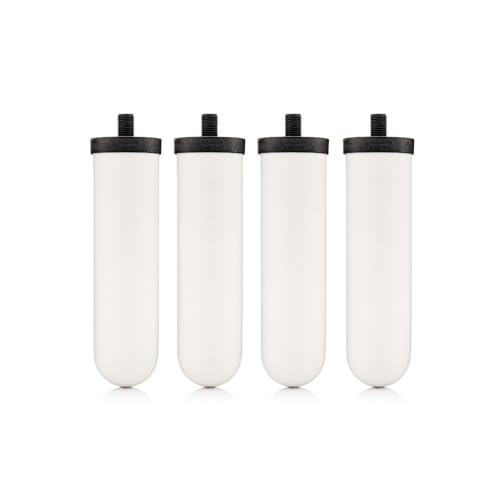
Best for: Households needing a reliable under-sink ceramic filter that removes bacteria, cysts, and sediment without electricity. Why it made the list: The Doulton Ultra Carb uses a silver-impregnated ceramic element that kills bacteria on contact, plus a carbon core for chlorine and taste reduction. It’s NSF/ANSI Standard 53 certified for cyst removal and has a flow rate of 1.5 GPM, which is excellent for a ceramic filter. Owners report it lasts a full year before needing a replacement, and the ceramic can be cleaned with a soft brush to extend life.
- Key specs: Under-sink mount, 10-inch ceramic element with carbon core, 1.5 GPM flow rate, 12-month filter life.
- What we like: Proven bacteria reduction, high flow rate, easy to clean ceramic, long-lasting.
- What we do not like: Requires a 3/8-inch hole in sink or countertop for installation; replacement filters are costly.
- Who should buy it: Anyone with municipal or well water wanting to remove bacteria, cysts, and improve taste without electricity.
- Who should avoid it: Those who cannot drill a hole for the faucet or prefer a countertop no-install system.
- Common complaints: Some users report the mounting bracket can loosen over time; a few had leaks at the hose connections.
- Size note: Filter housing is 12 inches tall, 4 inches wide; fits under most sinks but check clearance.
- Cleaning note: Scrub the ceramic element gently with a soft brush under running water every 3-4 months to maintain flow.
- Alternative: Epic Nano Water Filter if you want a countertop model with no installation.
Ceramic Water Filter Buying Guide
Filtration Performance
Ceramic filters are excellent at removing bacteria, protozoa, and sediment thanks to their sub-micron pores. Look for a filter with 0.5 micron or smaller absolute pore size for effective cyst removal. Some models add activated carbon or KDF media to reduce chlorine, taste, and heavy metals. Check for NSF/ANSI certifications to verify claims.
Installation and Maintenance
Ceramic filters come in countertop, under-sink, and whole-house configurations. Countertop models are easiest to install, requiring no drilling. Under-sink models need a dedicated faucet hole. Maintenance involves periodically scrubbing the ceramic element to remove buildup; some filters can be boiled to restore flow. Replacement filters typically last 6-12 months.
Flow Rate and Durability
Ceramic filters naturally have slower flow rates than carbon block or RO systems. Expect 0.5 to 2 GPM. Durability varies: quality ceramic elements are robust but can crack if dropped. Silver-impregnated ceramics resist bacterial growth. Stainless steel housings are more durable than plastic. Always buy from brands with available replacement parts.
Safety Notes
- Ceramic filters are gravity-fed or low-pressure, so they don’t waste water like RO systems.
- Silver-impregnated ceramics prevent bacterial growth inside the filter.
- All recommended filters are BPA-free and certified by NSF/ANSI for contaminant reduction.
- Replace filters per manufacturer schedule to avoid bacterial buildup.
What to Avoid
- Avoid generic ceramic filters without NSF certification or clear pore size ratings.
- Avoid models with plastic housings that may crack under pressure.
- Avoid filters that claim to remove dissolved solids or heavy metals without carbon or ion exchange media.
- Avoid used or refurbished filters; ceramic elements can have microscopic cracks.
FAQ
How often should I replace a ceramic water filter?
Typically every 6-12 months, depending on water quality and usage. The ceramic element can be cleaned several times before replacement is needed.
Can ceramic filters remove viruses?
No, ceramic filters with 0.5 micron pores cannot remove viruses. For virus removal, you need a UV light or a filter with 0.01 micron pores.
Do ceramic filters need electricity?
No, they work on water pressure or gravity. That’s a big advantage for emergency preparedness.
How do I clean a ceramic filter?
Gently scrub the ceramic surface with a soft brush under running water. Do not use soap or bleach. Some models allow boiling the ceramic for deep cleaning.
Final Verdict
The Doulton W9331274 Ultra Carb is the top ceramic water filter for its proven bacteria removal, high flow rate, and long life. For a budget-friendly alternative, the AquaCera Home offers solid performance, while the Epic Nano is best for no-install convenience.
