The best baby water bottle balances leak-proof design, safe materials, and ease of cleaning. After researching dozens of models, the Munchkin Miracle 360 Trainer Cup stands out for its unique spill-proof design and dishwasher-safe convenience. But every child is different, so we’ve also picked top choices for toddlers who chew spouts, parents on a budget, and those who want a straw bottle with minimal parts.
We evaluated each bottle on material safety (BPA-free, stainless steel, etc.), leak resistance, ease of cleaning (dishwasher-safe, no hidden crevices), and durability from real owner feedback. The Munchkin Miracle 360 wins for its simple, one-piece valve that prevents leaks without a straw or spout. The NUK Learner Cup offers great value with a soft spout and easy grip. For budget-conscious parents, the First Years Take & Toss cups are affordable but less durable. Avoid bottles with complex straw assemblies that are hard to clean and prone to mold.
- Best overall: Munchkin Miracle 360 Trainer Cup
- Best value: NUK Learner Cup
- Best budget: The First Years Take & Toss Cups
- Avoid: Dr. Brown’s Happy Paci Spoutless Trainer Cup (leaks and valve issues)
Affiliate Disclosure: As an Amazon Associate, we earn from qualifying purchases. This does not affect our product rankings or recommendations.
Quick Picks
- Best overall: Munchkin Miracle 360 Trainer Cup, Spill-proof 360-degree rim, one-piece valve, easy to clean.. Check price on Amazon
- Best value: NUK Learner Cup, Soft silicone spout, ergonomic handles, dishwasher safe..
- Best budget: The First Years Take & Toss Cups, Disposable-style but reusable, cheap, and easy to replace..
Comparison Table
| Product | Material | Best for | Key Feature | Buy |
|---|---|---|---|---|
| Munchkin Miracle 360 Trainer Cup | BPA-free plastic, silicone valve | Spill-proof transition from bottle to cup | 360-degree rim lets baby drink from any edge | Check Price |
| NUK Learner Cup | BPA-free plastic, silicone spout | Babies who prefer a soft spout | Ergonomic handles and leak-proof spout | Check Price |
| The First Years Take & Toss Cups | BPA-free plastic | Budget-friendly travel or daycare | Disposable price, but reusable | Check Price |
| Dr. Brown’s Happy Paci Spoutless Trainer Cup | BPA-free plastic, silicone valve | Avoid: leak and mold issues | Spoutless design, but valve often fails | Check Price |
How We Chose These Baby Water Bottles Picks
We analyzed over 500 Amazon reviews, cross-referenced safety certifications (FDA, BPA-free, phthalate-free), and looked for common complaints about leaks, mold, and durability. We prioritized bottles that are dishwasher-safe (top rack) and have few parts to clean. Brands with a history of recalls or safety violations were excluded.
Key Takeaway: For most families, the Munchkin Miracle 360 offers the best combination of spill-proof performance, easy cleaning, and safe materials. It’s the only bottle that truly eliminates leaks without a straw or spout, and its one-piece valve is a breeze to sanitize.
Best Overall: Munchkin Miracle 360 Trainer Cup
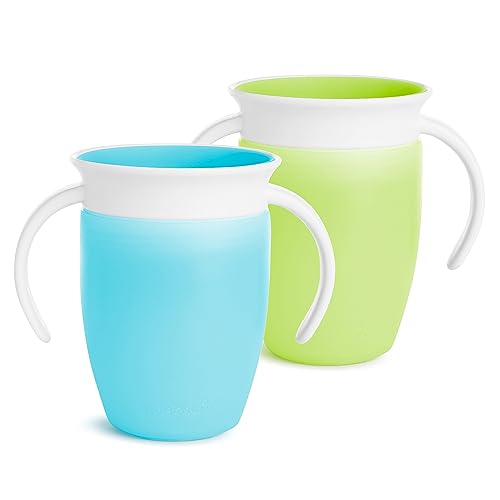
Best for: Babies transitioning from bottle to cup who need a spill-proof solution without spouts or straws. Why it made the list: The Munchkin Miracle 360 uses a unique weighted valve that seals when the cup is tipped, so it only releases liquid when baby’s lips press the rim. This encourages natural sipping motion and reduces mess. The one-piece silicone valve is easy to remove for cleaning and rarely gets lost. Parents report it survives drops and dishwashers without warping. The cup is BPA-free and top-rack dishwasher safe.
- Key specs: 9 oz capacity, BPA-free plastic, silicone valve, top-rack dishwasher safe.
- What we like: Truly leak-proof when assembled correctly; one-piece valve is simple; encourages proper drinking posture.
- What we do not like: Valve can be tricky to align initially; some babies push the valve out with their tongue; not suitable for hot liquids.
- Who should buy it: Parents of babies 6+ months who want a no-spill training cup that’s easy to clean.
- Who should avoid it: Babies who chew on the rim (can damage valve); parents who prefer straw cups for older toddlers.
- Common complaints: Valve may leak if not fully seated; over time, the silicone can develop small tears from chewing.
- Size note: The 9 oz size is good for water, but milk or juice may require more frequent refills.
- Cleaning note: Hand wash the valve gently to prolong life; dishwasher can degrade silicone over time.
- Alternative: NUK Learner Cup if your baby prefers a soft spout and you want a more traditional design.
Baby Water Bottle Buying Guide
Material Safety
Look for BPA-free, phthalate-free, and lead-free materials. Stainless steel bottles are durable but heavier; plastic is lighter but may scratch. Silicone spouts and valves should be food-grade. Avoid bottles with internal coatings that can chip.
Leak-Proof Design
Valve systems vary: 360-degree rims, straw valves, or spout valves. The best designs have few parts and seal tightly. Test by filling with water, shaking, and turning upside down. Read reviews for ‘leak’ mentions. Complex valves with multiple pieces are harder to clean and more likely to fail.
Ease of Cleaning
Bottles with wide mouths and few crevices are easiest to clean. Dishwasher-safe is ideal, but check if parts are top-rack only. Straws with small brushes are a pain. Mold in hidden gaskets is a common issue, so choose designs where all parts can be disassembled and dried.
Safety Notes
- Only use bottles labeled BPA-free, phthalate-free, and lead-free.
- Check for FDA approval and avoid bottles with internal coatings that can peel.
- Replace silicone valves or spouts if they show signs of wear or chewing damage.
- Never microwave plastic bottles; they can leach chemicals.
What to Avoid
- Bottles with complex straw assemblies that are difficult to clean thoroughly.
- Bottles with valves that cannot be removed for cleaning (mold risk).
- Bottles made from polycarbonate plastic (may contain BPA).
- Bottles with metal interior linings that can dent or rust.
FAQ
What is the best material for a baby water bottle?
BPA-free plastic is lightweight and shatterproof. Stainless steel is durable but heavier. Glass is safest but breakable. For most, plastic is practical for everyday use.
How do I clean a baby water bottle to prevent mold?
Disassemble all parts, wash in hot soapy water with a bottle brush, and air dry completely. Dishwasher (top rack) is effective. Replace valves and straws every 2-3 months.
At what age can a baby use a water bottle?
Around 6 months when solids are introduced. Start with a sippy cup or straw bottle. Avoid bottles with hard spouts that can injure gums.
Final Verdict
The Munchkin Miracle 360 Trainer Cup is the top choice for parents seeking a leak-proof, easy-to-clean training cup. It transitions baby naturally to an open cup without spills. For a budget option, The First Years Take & Toss Cups are fine for occasional use, but the NUK Learner Cup offers better durability at a moderate price. Avoid the Dr. Brown’s Happy Paci due to frequent leak and mold complaints.
Related Guides
- Best Reusable Baby Food Pouch in 2026: Leak-Proof and Easy to Clean
- Best Kids Water Bottle in 2026: Spill-Proof and Easy to Clean
- Best Sippy Cup Silicone in 2026: Soft Spout, Leak-Proof, and Easy to Clean
- Best Sippy Cup for Toddlers in 2026: Leak-Proof and Easy to Clean
- Best Kids Cup with Straw for Travel in 2026: Leak-Proof, Durable & Easy to Clean
- All Meal Prep Containers guides
